Showing posts with label automobiles. Show all posts
Showing posts with label automobiles. Show all posts
Wednesday, December 31, 2014


Friday, October 5, 2012
GET LOST: A New York Tour Guide's Guide to New York #12d
12d. TRANSPORTATION--TAXI CABS
It might seem that taxis would be faster than waiting for trains, but this is completely true only at night. During the day, for all the same reasons that most New Yorkers don't own cars, it can actually be a huge waste of time and money. The one thing they do offer is privacy and comfort compared to the trains. Late at night, the one time I might certainly recommend taking a cab, you can get from just about any destination to another in the central part of Manhattan in less than fifteen minutes and for under fifteen dollars including the tip. Often it's much less.
During the daytime, cabs are only worth taking for distances between around fifteen and forty blocks (street blocks, that is, not avenue blocks). Less than that and, considering the cost and slowness, you may as well just walk it. Much more than that and you'd likely get there much faster and for much less money by taking the subway. One exception is if you have luggage or other heavy items on you, especially trips to and from the airport.
 There are fifteen different vehicles authorized by the Taxi & Limousine Commission, the most recent of which, the Nissan NV200 shown here, was introduced as the "Taxi of Tomorrow" at this year's auto show. A few of them, namely the Mercedes E350, Volkswagen Golf, and AM General MV-1, I have never once seen on the street. For those who may be environmentally conscious, eight of the fifteen have hybrid models available. The NV200 will soon be available as an electric vehicle, as will the Volkswagen Jetta. The Jetta is also available in a version which burns biofuel. I have every confidence the city chose these particular models for that very reason. The number of hybrid taxis continues to rise, and customers appear to prefer them. Although they certainly produce less pollution as well, resources must also be tapped for maintenance and repair, which produce different kinds of pollutants, and have been so costly as to call into question the benefit of savings on fuel usage. In fact, a plan to replace every New York City taxi in use to hybrid models by a certain year had to be scrapped for this reason.
The next thing to discuss is hailing. I'm always shocked by how often I see people who appear comfortable in the city who don't seem to understand how the fare lights work. They stand there waving their hand in the air becoming increasingly agitated and insulted as taxi after taxi passes by them. There has been discussion about changing the fare lights to make them more intuitive and easier to understand, but until that happens, here it is.
When I say fare lights, I refer to the little light box on the roof right above the windshield, facing front. It has three settings. All the lights off means the cab has a fare on board and is unavailable. The taxi's ID number lit alone means the cab is available to accept a fare. If this cab passes you by, you have right to be insulted unless the driver is unable to merge lanes or some other issue. On both sides of the ID number are two more lights that read "off duty." This is fairly self-explanatory unless you're too far away or didn't think to read what it says. If all the lights are lit, the cab is unavailable. Yes, I know, that's stupid. But that's how it works.
There is a provision on off-duty cabs, however. Since the driver is obviously traveling somewhere, what this usually means is that he or she is changing shifts. Most cabs are shared between two drivers, one taking the day shift, the other taking the night shift. The bizarre thing about the shift change is that it happens when you'd least expect it, between 4:00 and 5:00PM. It has to do with ensuring that both shifts include a rush hour, and avoiding the day shift starting at, say, 2AM. But it means that when you'd most want to have a cab take you somewhere, there aren't any.
In any case, you may occasionally see an off-duty driver stopping for a potential fare, but rolling down the window first to ask where the person needs to go. If the driver is going generally in the same direction as the potential customer, he or she will usually be happy to pick up one last customer before quitting time. Don't be insulted if the driver simply says "sorry, no," and speeds off. This just means your destination is too far out of the way. The taxi stations are mostly out in Queens somewhere and the driver will be fined for getting the car back late.
It's possible that if you have an emergency, you could offer an off-duty driver more money to take you, for instance, double what the meter says. I've never seen anyone try this to know if it would work. Likely more money wouldn't make a difference unless you're willing to cover the driver's potential thirty-dollar late fee.
Typically the most people a single taxi will agree to take is four, unless you get one of the minivan ones with more seats. If you're overflowing the back, some drivers prefer you ask first before taking the front seat. If you have more people than the vehicle is supposed to hold, you'll need to ask the driver if he or she is willing to accommodate you, and it's probably not a bad idea to offer some extra money for he or she taking the risk. Most of the time you'll need to split your group between two cabs.
Once you've gotten into the cab there is one crucial thing you need to have for where you want to go: the street and avenue intersection ("61st & Lex") or mid-block location between two others ("39th between 2nd & 3rd Avenue"). The numbered street address of the specific building is great to have, but unless it's on a major artery, the driver is likely to just guesstimate into what block that building address falls. Certainly smart phones are quickly making this kind of advice obsolete, but I still think it's wise to do your own homework.
I used to know a person with whom it was so embarrassing to take cabs because he would get in and order the driver to take us to "Such-and-Such Obscure Expensive French Restaurant, please," as if the driver should have any clue where that is. Then he would proceed to complain loudly enough for the driver to hear him how New York City cab drivers don't know where anything is. In a way, it was extra rude because we'd be going someplace this unfortunate cab driver probably couldn't even afford to go.
In some cities like London, taxi drivers must pass an extensive exam and know exactly how to get to just about every last random address in the city. Unlike the potentially confusing city of London, likely because of the numbered grid, New York cab drivers don't have to memorize every street to get the job. Whatever you think about that, it's just how it is. Central Manhattan, where most people are going, is easy enough. But the city as a whole is a big place. There are enormous stretches of eastern Brookyn where I have never even set foot, and in a car, would be hopelessly lost in five minutes.
Most drivers know the location of major sites in Manhattan, especially things like train stations and larger cultural venues, because these are the places where they're guaranteed to find fares. But some random little hotel? Forget it. Know where you're going. In the outer boroughs, it can often be necessary to have a vague idea of what route you need to take, as well.
There's another unfortunate reason why it's so important to know exactly where you're going. I'm sorry to have to say this, but the driver will probably try to rip you off. The good news is that there's nothing that can be done to mess with the meter. The meter is automatic, must be used for every ride, and it's calculated pretty well to benefit both the driver and the passenger fairly, regardless of whether you're speeding along fast or stopped in horrible traffic. But I cannot tell you how many times I've been in a cab with someone who the driver only suspects is from out of town and suddenly I find we're going around and around in circles, or taking the, ahem, "scenic route" to our destination.
Usually they won't screw around if you're going to the airport. They know you'll lose your marbles if you think you're going to miss your plane. But if you're headed to a hotel, the driver will probably assume you have no idea where you are and won't notice an extra trip around the block. A lot of the new cabs have a screen in the back which includes GPS mapping of your route, but if you don't know the city geography and aren't watching the screen extremely closely the entire time, this might not help all that much--and give you motion sickness in the process.
A friend who worked in hospitality recently made me aware of a really smart move in this situation: telling the driver he or she missed your turn and asking that the meter please be stopped. Give him or her the benefit of the doubt that it may have been an honest mistake. Insinuating that the person is a crook won't do anything but make the scene needlessly ugly. Remember that a lot of the streets do go only one way, and that the driver may have had no choice but to circle around. Getting out on the nearest corner and walking an extra fifty yards to your destination rather than being taken right up to its front door can help to avoid this question, also. If the driver refuses to turn off the meter and you are certain you were being taken on the long route, don't tip. Making a mental note of the driver's ID number is never a bad idea--it's only four digits, easy to memorize--especially if you later discover your cell phone fell out of your pocket in the cab.
And please do tip otherwise, especially if you got there faster than you thought you would or the driver helped with your lead-bullion-filled luggage. Driving a cab is a thankless job with obnoxious passengers, traffic accidents, nutjobs, and muggers. Cab drivers aren't living in twelve-bedroom mansions as it is. A lot of them are honest folks working their way through college, hardworking parents just trying to feed their kids, or retirees for whom social security isn't enough. Lastly, do not ever assume, just because your driver doesn't speak flawless English and is likely newly immigrated to the United States, that he or she doesn't have two doctorates in neurobiology from the best university back home. Trust me, a lot of them do, but those jobs aren't so easy to find here, at least not immediately upon arriving.
©2012, Ryan Witte
12e. Livery Cabs
It might seem that taxis would be faster than waiting for trains, but this is completely true only at night. During the day, for all the same reasons that most New Yorkers don't own cars, it can actually be a huge waste of time and money. The one thing they do offer is privacy and comfort compared to the trains. Late at night, the one time I might certainly recommend taking a cab, you can get from just about any destination to another in the central part of Manhattan in less than fifteen minutes and for under fifteen dollars including the tip. Often it's much less.
During the daytime, cabs are only worth taking for distances between around fifteen and forty blocks (street blocks, that is, not avenue blocks). Less than that and, considering the cost and slowness, you may as well just walk it. Much more than that and you'd likely get there much faster and for much less money by taking the subway. One exception is if you have luggage or other heavy items on you, especially trips to and from the airport.

The next thing to discuss is hailing. I'm always shocked by how often I see people who appear comfortable in the city who don't seem to understand how the fare lights work. They stand there waving their hand in the air becoming increasingly agitated and insulted as taxi after taxi passes by them. There has been discussion about changing the fare lights to make them more intuitive and easier to understand, but until that happens, here it is.
When I say fare lights, I refer to the little light box on the roof right above the windshield, facing front. It has three settings. All the lights off means the cab has a fare on board and is unavailable. The taxi's ID number lit alone means the cab is available to accept a fare. If this cab passes you by, you have right to be insulted unless the driver is unable to merge lanes or some other issue. On both sides of the ID number are two more lights that read "off duty." This is fairly self-explanatory unless you're too far away or didn't think to read what it says. If all the lights are lit, the cab is unavailable. Yes, I know, that's stupid. But that's how it works.
There is a provision on off-duty cabs, however. Since the driver is obviously traveling somewhere, what this usually means is that he or she is changing shifts. Most cabs are shared between two drivers, one taking the day shift, the other taking the night shift. The bizarre thing about the shift change is that it happens when you'd least expect it, between 4:00 and 5:00PM. It has to do with ensuring that both shifts include a rush hour, and avoiding the day shift starting at, say, 2AM. But it means that when you'd most want to have a cab take you somewhere, there aren't any.
In any case, you may occasionally see an off-duty driver stopping for a potential fare, but rolling down the window first to ask where the person needs to go. If the driver is going generally in the same direction as the potential customer, he or she will usually be happy to pick up one last customer before quitting time. Don't be insulted if the driver simply says "sorry, no," and speeds off. This just means your destination is too far out of the way. The taxi stations are mostly out in Queens somewhere and the driver will be fined for getting the car back late.
It's possible that if you have an emergency, you could offer an off-duty driver more money to take you, for instance, double what the meter says. I've never seen anyone try this to know if it would work. Likely more money wouldn't make a difference unless you're willing to cover the driver's potential thirty-dollar late fee.
Typically the most people a single taxi will agree to take is four, unless you get one of the minivan ones with more seats. If you're overflowing the back, some drivers prefer you ask first before taking the front seat. If you have more people than the vehicle is supposed to hold, you'll need to ask the driver if he or she is willing to accommodate you, and it's probably not a bad idea to offer some extra money for he or she taking the risk. Most of the time you'll need to split your group between two cabs.
Once you've gotten into the cab there is one crucial thing you need to have for where you want to go: the street and avenue intersection ("61st & Lex") or mid-block location between two others ("39th between 2nd & 3rd Avenue"). The numbered street address of the specific building is great to have, but unless it's on a major artery, the driver is likely to just guesstimate into what block that building address falls. Certainly smart phones are quickly making this kind of advice obsolete, but I still think it's wise to do your own homework.
I used to know a person with whom it was so embarrassing to take cabs because he would get in and order the driver to take us to "Such-and-Such Obscure Expensive French Restaurant, please," as if the driver should have any clue where that is. Then he would proceed to complain loudly enough for the driver to hear him how New York City cab drivers don't know where anything is. In a way, it was extra rude because we'd be going someplace this unfortunate cab driver probably couldn't even afford to go.
In some cities like London, taxi drivers must pass an extensive exam and know exactly how to get to just about every last random address in the city. Unlike the potentially confusing city of London, likely because of the numbered grid, New York cab drivers don't have to memorize every street to get the job. Whatever you think about that, it's just how it is. Central Manhattan, where most people are going, is easy enough. But the city as a whole is a big place. There are enormous stretches of eastern Brookyn where I have never even set foot, and in a car, would be hopelessly lost in five minutes.
Most drivers know the location of major sites in Manhattan, especially things like train stations and larger cultural venues, because these are the places where they're guaranteed to find fares. But some random little hotel? Forget it. Know where you're going. In the outer boroughs, it can often be necessary to have a vague idea of what route you need to take, as well.
There's another unfortunate reason why it's so important to know exactly where you're going. I'm sorry to have to say this, but the driver will probably try to rip you off. The good news is that there's nothing that can be done to mess with the meter. The meter is automatic, must be used for every ride, and it's calculated pretty well to benefit both the driver and the passenger fairly, regardless of whether you're speeding along fast or stopped in horrible traffic. But I cannot tell you how many times I've been in a cab with someone who the driver only suspects is from out of town and suddenly I find we're going around and around in circles, or taking the, ahem, "scenic route" to our destination.
Usually they won't screw around if you're going to the airport. They know you'll lose your marbles if you think you're going to miss your plane. But if you're headed to a hotel, the driver will probably assume you have no idea where you are and won't notice an extra trip around the block. A lot of the new cabs have a screen in the back which includes GPS mapping of your route, but if you don't know the city geography and aren't watching the screen extremely closely the entire time, this might not help all that much--and give you motion sickness in the process.
A friend who worked in hospitality recently made me aware of a really smart move in this situation: telling the driver he or she missed your turn and asking that the meter please be stopped. Give him or her the benefit of the doubt that it may have been an honest mistake. Insinuating that the person is a crook won't do anything but make the scene needlessly ugly. Remember that a lot of the streets do go only one way, and that the driver may have had no choice but to circle around. Getting out on the nearest corner and walking an extra fifty yards to your destination rather than being taken right up to its front door can help to avoid this question, also. If the driver refuses to turn off the meter and you are certain you were being taken on the long route, don't tip. Making a mental note of the driver's ID number is never a bad idea--it's only four digits, easy to memorize--especially if you later discover your cell phone fell out of your pocket in the cab.
And please do tip otherwise, especially if you got there faster than you thought you would or the driver helped with your lead-bullion-filled luggage. Driving a cab is a thankless job with obnoxious passengers, traffic accidents, nutjobs, and muggers. Cab drivers aren't living in twelve-bedroom mansions as it is. A lot of them are honest folks working their way through college, hardworking parents just trying to feed their kids, or retirees for whom social security isn't enough. Lastly, do not ever assume, just because your driver doesn't speak flawless English and is likely newly immigrated to the United States, that he or she doesn't have two doctorates in neurobiology from the best university back home. Trust me, a lot of them do, but those jobs aren't so easy to find here, at least not immediately upon arriving.
©2012, Ryan Witte
12e. Livery Cabs
Sunday, September 2, 2012
Prodigal Roadster
 |
| Photo courtesy RM Auctions. |
 |
| Photo courtesy Oregon CCCA. |
The Lincoln Model K was introduced in 1931. In 1932 it was split into two lines, the KA and the KB. The 1932 Lincoln Model KA V8 Victoria shown here was clearly fancier, more powerful, and more luxuriously detailed than a Ford. It sold for a little over $4400 in '32, almost $70,000 by today's standards. Despite the outrageous price difference, it's not all that significantly different in style.
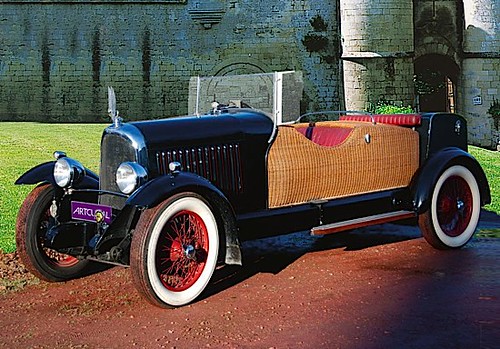
In 1932, Edsel Ford went on a trip to Europe. Who knows if his primary goal was to get a look at the European cars, but there probably can be not the slightest question that someone as intimately involved with the automobile industry would have his eye on every new car he saw. What's more, if a man like Edsel Ford were visiting Europe, I can't imagine he wasn't eating most of his dinners at the homes of people like Aston Martin founder Lionel Martin and Bindo Maserati. I don't know exactly where he went or what he saw there, but I'd like to try to piece it back together using some possibilities.
 |
| Photo courtesy Steve Sexton. |


 |
| Photo courtesy David van Mill. |
 |
| Public domain. |
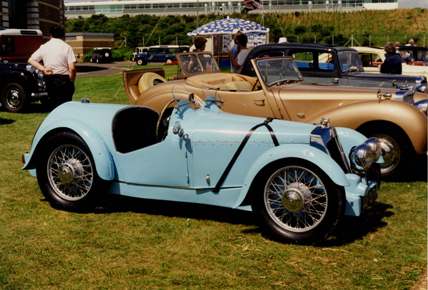
Perhaps it should come as no surprise that the car that appears to have impressed Ford the most was a Maserati. It was the 8C 3000, designed by the eldest Maserati brother, Alfieri, who passed away before he could see it finished. It has the correctly raked front end (a tiny hint of the streamlining to come) and the tapered rear end, in addition to the comparatively low profile of all the others.
 |
| Photo courtesy Gerry Swetsky. |


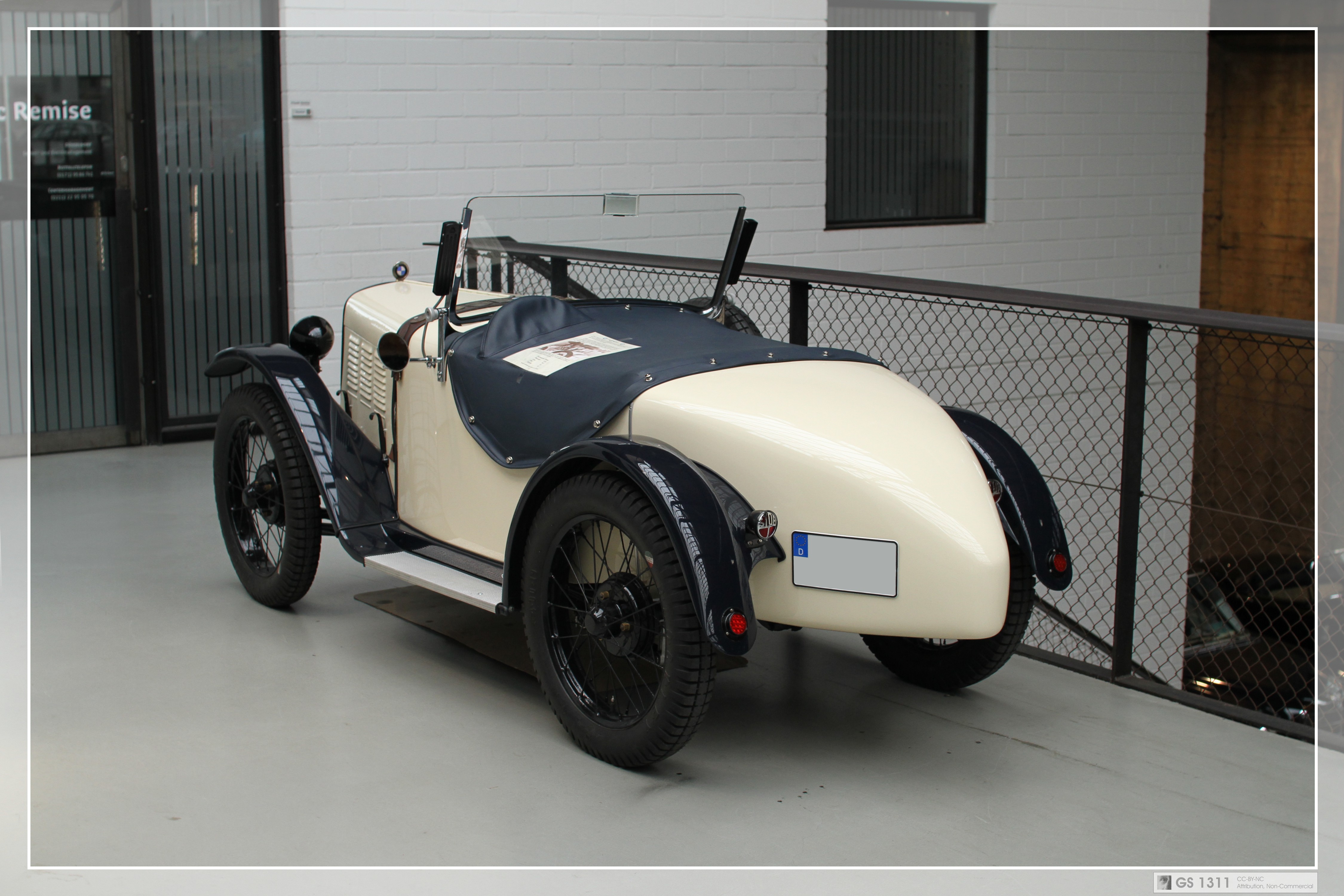
The final result of all of this was Edsel Ford's 1934 Model 40 Special Speedster.




 |
| Restoration and vintage photos courtesy Ford Hous |
But this is not exactly what showed up at the 2012 Auto Show. Its engine had a tendency to overheat, so sometime before 1940, Gregorie redesigned the front end to allow better air cooling and in the process, make it more streamlined again. A winter freeze had cracked the Model 40 engine, so it was replaced with a 09A Mercury V8, the most powerful Ford V8 engine at the time.

 I find the redesign a bit odd because it looks to me like the original grille was larger in area than the 1940 version. However, the overheating may very well have been as much about the location and direction of the incoming air as the amount or speed of it.
Aerodynamics had been discussed by Aristotle, da Vinci, Newton, and plenty other thinkers over the centuries. It remains a mystery why it was not considered by manufacturers of ground transportation vehicles--outside of racing--until the mid-1930s. Perhaps the Depression was sufficient impetus for car owners to consider the fuel economy even in vehicles that didn't necessarily travel very fast. I'd like to point out, though, that Buckminster Fuller's Dymaxion car didn't appear until 1933, the Chrysler Airflow and Union Pacific Railroad's M-10000 not until 1934. But as early as perhaps 1931, Edsel Ford was already on board with this upsurge of interest in the subject, enough so that during his European trip, he knew exactly what to look for. I think it proves him to have been a remarkably forward-thinking individual.

After the 1940 redesign, sadly, Edsel Ford got to enjoy his Speedster for only another three years before passing away in 1943. Strangely, the car was estimated to be worth only $200. This is considerably less than even a regular-production, bottom-line Ford, which probably would have sold for about $750 if most all manufacturing hadn't been focused on the war effort.

It was then handed over to RM Restorations in Canada. RM took the entire thing apart piece by piece and meticulously restored it to its 1939-40 iteration.


©2012, Ryan Witte
Thursday, May 31, 2012
Extraordinarily Ordinary
(NYIAS)
The next thing to talk about was in the booth for Chevrolet to accompany the release of their new Impala. It was a sky-blue, convertible 1966 Impala Super Sport in seemingly perfect mint condition that was actually much more interesting than the new one. I'd like to say right off the bat that many of the interesting facts herein are courtesy of my friend over at Ate Up with Motor. A huge nod of thanks to him and his vast automotive knowledge.
 It's fortunate that I have such a good excuse to talk about the Impala, considering that I so recently examined Levittown, because the Impala was sort of like the 1960s automobile equivalent to a Levittown house. There was nothing at all exceptional or innovative about it, in fact, its appeal was that it was utterly ordinary. Adding to this is Chevy's choice of a model from 1966 to display at the show. The Super Sport options package was first offered on the Impala in 1961. In 1964, it became the top-of-the-line model, but in 1966 it was surpassed in prestige by the Caprice, which had become its own series. All the standard cars in Chevy's line-up, including Impala and Caprice, shared most of the same basic innards. The differences were in power, styling, and options. There was nothing particularly new about the '66; it was mostly a cosmetic upgrade of the '65. The moral of the story, by 1966 the Super Sport was even less exceptional for a Chevy than previous Impalas had been.
 It was most popular with exactly the same demographic who a decade earlier would have gravitated toward Levittown and communities like it. It was a preferred car for mostly middle-income buyers who wanted a relatively good quality car, easy to service and maintain, but nothing too flashy or outrageous. It's the same demographic that today buys the Toyota Camry and Honda Accord. But while the Camry enjoyed 3% of the market as the best selling car in the United States in 2008, Impala in the 1960s commanded 15% of the market. Out of ten of your car-owning friends, at least one if not two of them would have had an Impala.
It's a fairly mammoth car, over 312 inches long (792cm) and almost 80 inches wide (203cm). Perhaps one of the more interesting things about the engineering of the Impalas from '65 onward was their flexible frame. At the points where the frame curved inward for the wheels at front and rear, the frame was designed to flex to absorb impacts from the road. The body was then mounted onto the frame with no metal-to-metal connections. Instead, rubber pads separated the frame from the body in up to fourteen places, depending on the model. The body was welded together and gusseted extremely rigidly and cross-braced, especially at the front end. The idea was that the body would feel extremely firm while all the vibrations and shuddering from the engine and road were handled by the flexible frame.
 My friend from Ate Up... shared with me one of the critical reactions to Impala at the time which I thought was rather funny. Evidently, the resonant frequency of its coil spring suspension was such that the car would start hopping at certain speeds when driving over the seams of a concrete highway. I'm amused by this in part because I can't remember the last time I was on a highway paved with concrete. Having driven around many parts of the country, I remember the familiar rhythm of those seams in the road slabs. But they use asphalt almost exclusively in the New York area. Asphalt is cheaper and much faster to install on highways that, around here, serve enormous amounts of traffic almost continuously. Potholes in asphalt can also be more quickly and easily spot-repaired rather than having to replace entire sections of road at a time as with concrete slabs.
 In its design, the Impala is anything but a remarkable car. Evidently that was sort of the whole point; above all, it was a safe choice. To put the design of the car under discussion here in some perspective, 1966 was the same year that Ferrari unleashed on Turin this masterpiece by Pininfarina. Nonetheless, in retrospect, there are some nice things about the old Impalas that could have inspired their new one with fantastic results. I think Chevy would have been wise to take a similar approach as they did to the Camaro--and as Dodge did to the Challenger--and look back to the older models for inspiration. For a few things, the broad, muscular grille, forward angled front end, or the side detailing that streaks straight from the front all the way to the back end (most pronounced on the 1964), could have been extrapolated quite wonderfully on a car for 2012.
 Instead, Chevy seems to have recreated the past glory of the Impala in spirit rather than style. Their new offering is about as bland today as the '66 may have seemed when it appeared on the market. I might be tempted to wonder whether it's more difficult for the huge corporate manufacturers to reconcile good design with other concerns like marketing and economics if it weren't for the fact that I've seen comparably large manufacturers overcome these conflicts quite adeptly.
All text and embedded images ©2012, Ryan Witte.
The next thing to talk about was in the booth for Chevrolet to accompany the release of their new Impala. It was a sky-blue, convertible 1966 Impala Super Sport in seemingly perfect mint condition that was actually much more interesting than the new one. I'd like to say right off the bat that many of the interesting facts herein are courtesy of my friend over at Ate Up with Motor. A huge nod of thanks to him and his vast automotive knowledge.


It's a fairly mammoth car, over 312 inches long (792cm) and almost 80 inches wide (203cm). Perhaps one of the more interesting things about the engineering of the Impalas from '65 onward was their flexible frame. At the points where the frame curved inward for the wheels at front and rear, the frame was designed to flex to absorb impacts from the road. The body was then mounted onto the frame with no metal-to-metal connections. Instead, rubber pads separated the frame from the body in up to fourteen places, depending on the model. The body was welded together and gusseted extremely rigidly and cross-braced, especially at the front end. The idea was that the body would feel extremely firm while all the vibrations and shuddering from the engine and road were handled by the flexible frame.


 | |
| The 427 Turbo Jet was newly available on Impala in '66, and was the biggest engine option. |
All text and embedded images ©2012, Ryan Witte.
Thursday, April 26, 2012
Visual Accuracy

The other part, I think, is that it was shown by a manufacturer who I might not have expected to have something this impressive on view. It's the 2013 Acura NSX.


We have industrial designer Dave Marek to thank for this beauty. He's head of Acura's design team and has been since 1987.


©2012, Ryan Witte
Friday, September 17, 2010
The Cost Effect
Since my last car post was about something so expensive, I thought I'd switch gears. Of course I love to see all the crazy stuff I'm not likely to be able to drive any time soon, but I can be a realist, also. If I were legitimately going to purchase a car, for the price, I'd have to say I'd be looking at Mazda. I also like the Chryslers a lot in this range, and of course I'd want to test drive a few things, but I really do like Mazda's styling.
Since I've gotten my Zipcar account, I've been trying to choose a different model each time I go out. I did get a Mazda the first time. More recently I drove a Kia Soul. It was a nice enough looking car and nice enough to drive, but I couldn't get past the miserably huge blind spots. I once got into a minor accident merging lanes on the highway (which I still don't think was my fault), so I'm particularly paranoid about that.
I did say that if you're going to spend the money on a Rolls, you deserve something that looks like it costs that much. At the same time, I can't put my finger on how they do it exactly, but the cheapest cars just look cheap. Mostly I'm thinking of the bland sedans offered by Toyota and Ford, the magnificent new Mustang notwithstanding. It's as if they strip the cars of every last detail that could make them remotely interesting. They're about as boring as they could possibly be at best, at worst their design is ugly and awkward.
And I'm actually confused as to why they do it. That is to say, what marketing goal do they hope to accomplish? I've seen some concepts from them and some design drawings that were really not bad at all. What demographic is turned on by this? But maybe I'm asking the wrong question. Maybe the consumer they hope to attract doesn't want to be turned on, because something that turns you on can't possibly be a "sensible" purchase.
Since we just had Fashion Week, I'll use a clothing analogy. We all know someone who can say with the ultimate sincerity that they do not care about clothes. He or she is most often found in jeans and a t-shirt, a plain white one preferably, or something they got for free. Seemingly, very little thought went into their choices and it's purely a matter of luck whether he or she is matched or mismatched. I find this whole notion to be terribly oxymoronic and even self-deluded. The operative word here is "choices." A hundred different choices were required for the resulting jeans and t-shirt outfit, the same amount of choices as for any other outfit. Faded boot-cut button-fly, not pegged stretch acid-wash with too many zippers: choice. Red flannel shirt, not bomber jacket: choice.
Even the person who tells his or her significant other to purchase something at the store that will fit them--beyond that he or she "doesn't care"--is making a wardrobe choice, the choice being that the other person knows what will look good on them and will get it. "Something that will fit" is yet another choice, as opposed to too tight or too baggy, and plenty of people do both.
I'd like to say to these people: you're still making all the same choices the rest of us are, you still have to do the work making those decisions, why not just make better choices or more interesting ones? It isn't passively "not caring," it's actively presenting the appearance of not caring.
So why do people choose the automobile equivalent of jeans and a t-shirt? The purchase of a car is a much bigger commitment than an outfit, so it can't give the appearance of a thoughtless decision. Do they want to attract as little attention to themselves as they can? Or do they want their car to look as much like everyone else as it can? It's a person who presumably wants their car to say to the world, "I'm just a normal person with a normal car, nothing flashy, nothing distinct, nothing special about it or me." Or maybe they simply have bad taste. Who are these people?
This is not to say that the Mazdas are so other-worldly or loud, especially compared to something like the Spyker Aileron. And I will have to say that their interiors leave plenty to be desired. They really need to get an interior designer who can keep pace with their exterior designers. The insides of them can be quite clunky and mostly unattractive. But for a relatively inexpensive car, I think they have a lot of character. They didn't actually unveil anything new this year, except for a new version of the Mazda2, their minicar, with few, if any, improvements. The MX-5 Miata filled an untapped niche and remains a very sweet little car, but it's more or less looked the same since it came on the market. I never did get around to discussing them last year as I'd planned, and I have more to say on the subject now.
Let's start at the beginning, shall we? Here are some early drawings for the Mazda3:


The first thing to notice here is that, aside from some not unexpected stylization in the drawings and a little bit of an overzealous curvaceousness on the front end, this really doesn't look all that significantly different than what came off of their assembly line. For the ways in which it does, I still don't think they lost much of what made this early design concept interesting. All I can say is that they must have someone up top making decisions who has some guts, because their designs are not being watered down for the lowest common denominator like so many other manufacturers do.
Here's an early computer rendering:

Now those three parallel lines at the back end--window, shoulder, and tail--create a really great moment. But the fantastic thing about this is that the final production model is actually nicer and more interesting than this concept. Obviously in these early stages, they just want to work out the basic profile. It's truly a testament to the talent of their design team that as they start adding more of the necessary details to what will be the final product, they don't screw it up along the way.
Here's the Mazda3, and if I'm not mistaken, I believe this was the one I rented:


Here's their CX-7 wagon/minivan crossover:


It's not the best thing they offer, but for what it is, I think its very well done. I especially like how, although it is clearly higher and bulkier, it very much manages to stand like a bulked-up car, rather than a squashed-down van. I also think using a bit of a sharper prow and a smoothed-over back end was a smart move. It makes it feel sleeker and less cumbersome.
Mazda has always done a sports car well. My teacher in fifth grade had an RX-7. He was the kind of guy you'd imagine didn't realize that Disco had died, or if he did, he wished it hadn't. But I thought that was one seriously cool car. Even looking back now, I still think it was incredibly well designed.
Here's the gorgeous Shinari Concept from a couple years ago:

The one we can own is the RX-8. In my opinion it's one of the best designed cars I saw at the show in this relatively reasonable price range.


Normally I much, much prefer a car without all the spoilers and scoops and ground effects. The Lamborghini Countach, for a great example, is absolutely exquisite without them and with them is a complete mess. Why anyone would buy a car like that and then ruin it with all that extra crap is beyond me. The RX-8, on the other hand, is helped by a few added details. The ground work gives it a more solid stance and gives its contours a little bit of needed sharpness.

It also helps to amplify one of the best things about the design: the contrast between the wide, flat, angular front end and the smooth, tapered, upturned back end. They knew what they were doing, too. The front wheel wells and headlights, as well as the taillights and the back of the roof line all work so well with the overall profile. Granted, it's not a Ferrari, but I think this is a great car.
©2010, Ryan Witte
Since I've gotten my Zipcar account, I've been trying to choose a different model each time I go out. I did get a Mazda the first time. More recently I drove a Kia Soul. It was a nice enough looking car and nice enough to drive, but I couldn't get past the miserably huge blind spots. I once got into a minor accident merging lanes on the highway (which I still don't think was my fault), so I'm particularly paranoid about that.
I did say that if you're going to spend the money on a Rolls, you deserve something that looks like it costs that much. At the same time, I can't put my finger on how they do it exactly, but the cheapest cars just look cheap. Mostly I'm thinking of the bland sedans offered by Toyota and Ford, the magnificent new Mustang notwithstanding. It's as if they strip the cars of every last detail that could make them remotely interesting. They're about as boring as they could possibly be at best, at worst their design is ugly and awkward.


And I'm actually confused as to why they do it. That is to say, what marketing goal do they hope to accomplish? I've seen some concepts from them and some design drawings that were really not bad at all. What demographic is turned on by this? But maybe I'm asking the wrong question. Maybe the consumer they hope to attract doesn't want to be turned on, because something that turns you on can't possibly be a "sensible" purchase.
Since we just had Fashion Week, I'll use a clothing analogy. We all know someone who can say with the ultimate sincerity that they do not care about clothes. He or she is most often found in jeans and a t-shirt, a plain white one preferably, or something they got for free. Seemingly, very little thought went into their choices and it's purely a matter of luck whether he or she is matched or mismatched. I find this whole notion to be terribly oxymoronic and even self-deluded. The operative word here is "choices." A hundred different choices were required for the resulting jeans and t-shirt outfit, the same amount of choices as for any other outfit. Faded boot-cut button-fly, not pegged stretch acid-wash with too many zippers: choice. Red flannel shirt, not bomber jacket: choice.
Even the person who tells his or her significant other to purchase something at the store that will fit them--beyond that he or she "doesn't care"--is making a wardrobe choice, the choice being that the other person knows what will look good on them and will get it. "Something that will fit" is yet another choice, as opposed to too tight or too baggy, and plenty of people do both.
I'd like to say to these people: you're still making all the same choices the rest of us are, you still have to do the work making those decisions, why not just make better choices or more interesting ones? It isn't passively "not caring," it's actively presenting the appearance of not caring.
So why do people choose the automobile equivalent of jeans and a t-shirt? The purchase of a car is a much bigger commitment than an outfit, so it can't give the appearance of a thoughtless decision. Do they want to attract as little attention to themselves as they can? Or do they want their car to look as much like everyone else as it can? It's a person who presumably wants their car to say to the world, "I'm just a normal person with a normal car, nothing flashy, nothing distinct, nothing special about it or me." Or maybe they simply have bad taste. Who are these people?
This is not to say that the Mazdas are so other-worldly or loud, especially compared to something like the Spyker Aileron. And I will have to say that their interiors leave plenty to be desired. They really need to get an interior designer who can keep pace with their exterior designers. The insides of them can be quite clunky and mostly unattractive. But for a relatively inexpensive car, I think they have a lot of character. They didn't actually unveil anything new this year, except for a new version of the Mazda2, their minicar, with few, if any, improvements. The MX-5 Miata filled an untapped niche and remains a very sweet little car, but it's more or less looked the same since it came on the market. I never did get around to discussing them last year as I'd planned, and I have more to say on the subject now.
Let's start at the beginning, shall we? Here are some early drawings for the Mazda3:


The first thing to notice here is that, aside from some not unexpected stylization in the drawings and a little bit of an overzealous curvaceousness on the front end, this really doesn't look all that significantly different than what came off of their assembly line. For the ways in which it does, I still don't think they lost much of what made this early design concept interesting. All I can say is that they must have someone up top making decisions who has some guts, because their designs are not being watered down for the lowest common denominator like so many other manufacturers do.
Here's an early computer rendering:

Now those three parallel lines at the back end--window, shoulder, and tail--create a really great moment. But the fantastic thing about this is that the final production model is actually nicer and more interesting than this concept. Obviously in these early stages, they just want to work out the basic profile. It's truly a testament to the talent of their design team that as they start adding more of the necessary details to what will be the final product, they don't screw it up along the way.
Here's the Mazda3, and if I'm not mistaken, I believe this was the one I rented:


Here's their CX-7 wagon/minivan crossover:


It's not the best thing they offer, but for what it is, I think its very well done. I especially like how, although it is clearly higher and bulkier, it very much manages to stand like a bulked-up car, rather than a squashed-down van. I also think using a bit of a sharper prow and a smoothed-over back end was a smart move. It makes it feel sleeker and less cumbersome.
Mazda has always done a sports car well. My teacher in fifth grade had an RX-7. He was the kind of guy you'd imagine didn't realize that Disco had died, or if he did, he wished it hadn't. But I thought that was one seriously cool car. Even looking back now, I still think it was incredibly well designed.
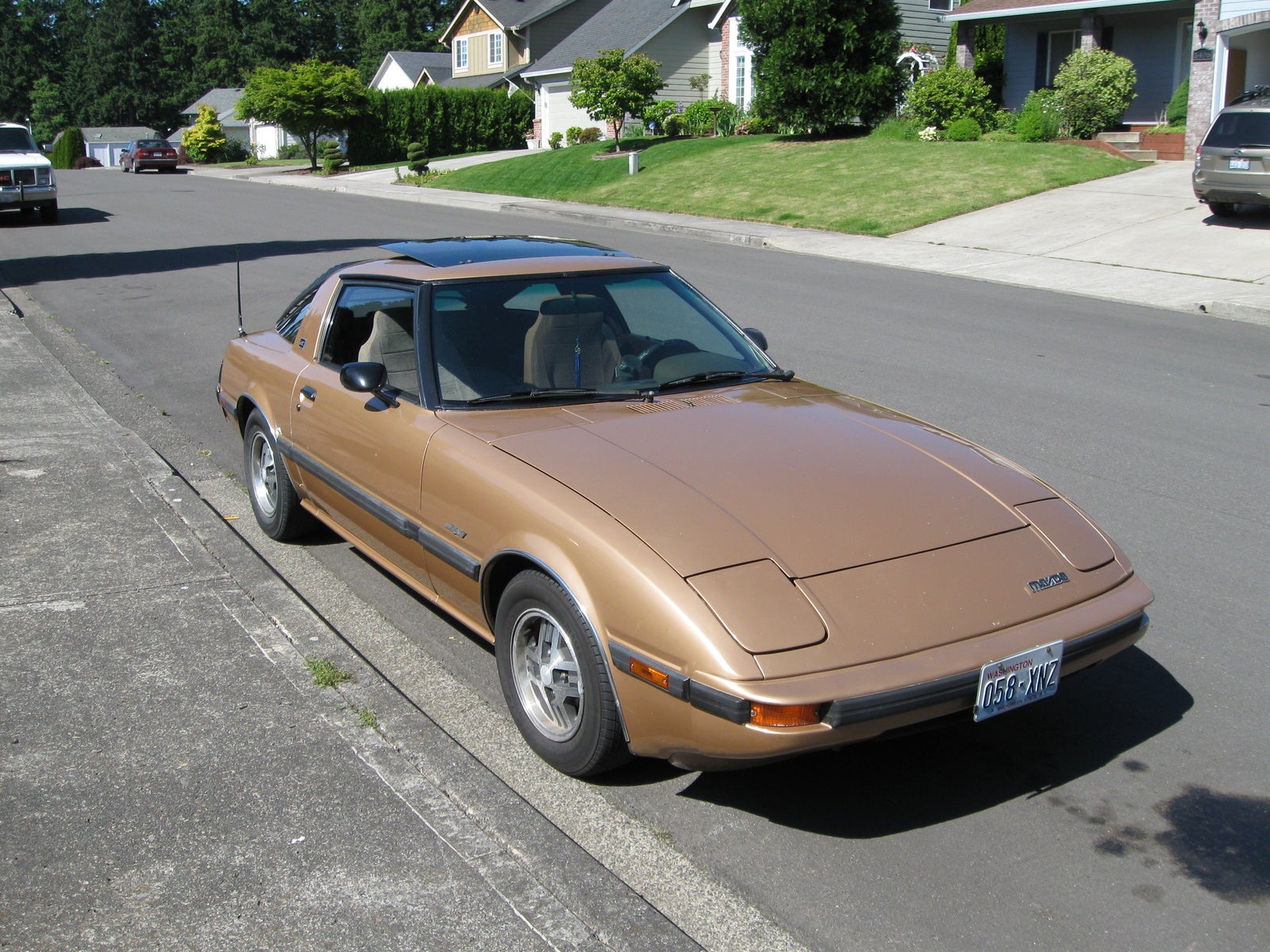
Here's the gorgeous Shinari Concept from a couple years ago:

The one we can own is the RX-8. In my opinion it's one of the best designed cars I saw at the show in this relatively reasonable price range.


Normally I much, much prefer a car without all the spoilers and scoops and ground effects. The Lamborghini Countach, for a great example, is absolutely exquisite without them and with them is a complete mess. Why anyone would buy a car like that and then ruin it with all that extra crap is beyond me. The RX-8, on the other hand, is helped by a few added details. The ground work gives it a more solid stance and gives its contours a little bit of needed sharpness.


It also helps to amplify one of the best things about the design: the contrast between the wide, flat, angular front end and the smooth, tapered, upturned back end. They knew what they were doing, too. The front wheel wells and headlights, as well as the taillights and the back of the roof line all work so well with the overall profile. Granted, it's not a Ferrari, but I think this is a great car.
©2010, Ryan Witte
Wednesday, September 1, 2010
Boo
I never go into the Rolls Royce/ Bentley booth for a number of reasons. First of all, the whole thing is cordoned off with velvet rope like a hot new Hollywood nightclub. I always felt like I'd need to have on a custom-made Stetson, Rolex, turban, three-piece suit, or some combination of the above for them to even unlatch it for me. It hardly seemed worth the bother since you can more or less see their offerings without going inside.
Secondly, they're just too exclusive. Few people will ever come into personal contact with these machines. It's as if that makes them a less than ideal topic for a blog with a tone like this one. Of course we see them on the street from time to time, but it's one of the things that makes automobiles a very peculiar area of design.
I touched on this a bit in a previous post, but while the car exterior is one of the most public expressions of ourselves by way of a consumer object, the interior is one of most intimate and private. Even a living room or dining room is likely to see guests, on occasion large numbers of them, even people we've never met before. As far as the people who will see the inside of our cars, it's pretty much the same people who we'd allow to see the inside of our bedrooms. Limousine's don't count, that's more like a ballroom, or if rented, a catering hall.
It's not even that we consider it a private realm, although we do to a degree subconsciously. Consciously I suspect most people consider themselves to be in the public eye when in their cars, unless they have windows tinted to an illegal darkness. It's more the size of it.
We used to pack sixteen teenagers into a Toyota like it was a clown car when I was in school--I'm sure other generations of kids did the same. Hey, if you need a ride and only a couple people have their license and a car, you get in whatever car you can. I remember having my face plastered up against the hatchback window. But under normal circumstances, we don't usually squeeze more than four or five people into the car. So of the many people we might choose to offer a ride, who will those three or four others be? Family and close friends, of course. Anyone who's not close would ride with someone else. It means, then, that a smaller number of people can potentially experience these cars than practically any other art form.
It's true that very few of us can afford to purchase a David Smith or a Damien Hirst to enjoy in our own homes, but these objects are so regularly and frequently shown in museums that it hardly matters. They become public, in a way.
Now, the same issue with Rollses and Bentleys can most certainly be said about the top-of-the-line sports cars, which I do often discuss despite their exclusivity. The difference with the sports cars, though, is that the whole point of the industrial design of them is to push the very limits of style and technology. Rolls and Bentley, on the other hand, although consistently handsome, are desperately conservative. In a way, they have to be, because they're so expensive. Because of the kind of cars they are, and have always been, their customer base also tends to be decidedly older and less interested in the cutting-edge.
And that brings me to my last reason for not taking more interest in them: their design. It's never really struck me as being particularly interesting. On the contrary, I've found it to be quite stodgy in recent decades. With so much else to look at and absorb at the auto show, I felt no burning desire to waste time on them.
Having said all that, this time, on a deafeningly quiet press day, there was little reason not to take a closer look. The velvet ropes were just open. I do need to say that the mind-boggling high quality of these vehicles is immediately obvious with one glance. The materials, the craftsmanship, the detailing, it's all exquisite, which should come as a surprise to no one. For this post, I wanted to talk about Rolls Royce's new Ghost, which is a beautiful car without question.

The Ghost goes back a very, very long time. Here's the original Silver Ghost from 1907:

--Photo courtesy Retro Cars in Belarus.
When I was a young lad, I actually had a very accurate model of this car from the Franklin Mint. I collect Franklin Mint! I don't think I have it anymore, but it was beautiful.
One small feature perfectly sums up everything you might expect to get by spending this outrageous amount of money on a vehicle (it goes for around $250,000), and I think it needs no explanation:


Click that if you can't tell what it is.
Anyway, here's the Ghost, designed by Ian Cameron:


It's very smooth and has a wonderfully heavy stance that plants it firmly on the ground. I also think rejecting the Parthenon grille was a wise move in this case. On top of everything, its V12 engine provides 500 horsepower, which is insane. The suicide doors are also quite cool, but the center pillar seems to kind of defeat the purpose of suicide doors in the first place.

The really cool thing about the 1961 Lincoln Continental was that, when you opened the windows or the doors, the entire side of the car was completely opened up to the outside. I believe its door pillar was half-height. I can't help feeling that Rolls could have derived structural integrity from elsewhere, and they might even have figured out a way to latch the doors safely to the floor and ceiling and remove the pillar entirely.
The main problem I have is that the Ghost is not all that terribly distinct from the Chrysler 300 or the Dodge Charger. And it should be. It should be significantly different. Obviously the 300 isn't built as well as this and doesn't have anywhere near the power.

But you really should not be able to get a Chrysler loaded with every possible luxury extra and add-on for a third of the price and have something even remotely close to a Rolls Royce. On the one hand, the price of a Rolls should buy you not only impeccable workmanship, but also distinctiveness of style. On the other hand, looking too much like a Chrysler makes its exorbitant price-tag seem even more outrageous.
Don't misunderstand me; this is a gorgeous automobile. I actually think it's a bit of a leap forward for Rolls. If you want to buy me one as a present, I encourage you to please go right ahead.
©2010, Ryan Witte
Secondly, they're just too exclusive. Few people will ever come into personal contact with these machines. It's as if that makes them a less than ideal topic for a blog with a tone like this one. Of course we see them on the street from time to time, but it's one of the things that makes automobiles a very peculiar area of design.
I touched on this a bit in a previous post, but while the car exterior is one of the most public expressions of ourselves by way of a consumer object, the interior is one of most intimate and private. Even a living room or dining room is likely to see guests, on occasion large numbers of them, even people we've never met before. As far as the people who will see the inside of our cars, it's pretty much the same people who we'd allow to see the inside of our bedrooms. Limousine's don't count, that's more like a ballroom, or if rented, a catering hall.
It's not even that we consider it a private realm, although we do to a degree subconsciously. Consciously I suspect most people consider themselves to be in the public eye when in their cars, unless they have windows tinted to an illegal darkness. It's more the size of it.
We used to pack sixteen teenagers into a Toyota like it was a clown car when I was in school--I'm sure other generations of kids did the same. Hey, if you need a ride and only a couple people have their license and a car, you get in whatever car you can. I remember having my face plastered up against the hatchback window. But under normal circumstances, we don't usually squeeze more than four or five people into the car. So of the many people we might choose to offer a ride, who will those three or four others be? Family and close friends, of course. Anyone who's not close would ride with someone else. It means, then, that a smaller number of people can potentially experience these cars than practically any other art form.
It's true that very few of us can afford to purchase a David Smith or a Damien Hirst to enjoy in our own homes, but these objects are so regularly and frequently shown in museums that it hardly matters. They become public, in a way.
Now, the same issue with Rollses and Bentleys can most certainly be said about the top-of-the-line sports cars, which I do often discuss despite their exclusivity. The difference with the sports cars, though, is that the whole point of the industrial design of them is to push the very limits of style and technology. Rolls and Bentley, on the other hand, although consistently handsome, are desperately conservative. In a way, they have to be, because they're so expensive. Because of the kind of cars they are, and have always been, their customer base also tends to be decidedly older and less interested in the cutting-edge.
And that brings me to my last reason for not taking more interest in them: their design. It's never really struck me as being particularly interesting. On the contrary, I've found it to be quite stodgy in recent decades. With so much else to look at and absorb at the auto show, I felt no burning desire to waste time on them.
Having said all that, this time, on a deafeningly quiet press day, there was little reason not to take a closer look. The velvet ropes were just open. I do need to say that the mind-boggling high quality of these vehicles is immediately obvious with one glance. The materials, the craftsmanship, the detailing, it's all exquisite, which should come as a surprise to no one. For this post, I wanted to talk about Rolls Royce's new Ghost, which is a beautiful car without question.

The Ghost goes back a very, very long time. Here's the original Silver Ghost from 1907:

--Photo courtesy Retro Cars in Belarus.
When I was a young lad, I actually had a very accurate model of this car from the Franklin Mint. I collect Franklin Mint! I don't think I have it anymore, but it was beautiful.
One small feature perfectly sums up everything you might expect to get by spending this outrageous amount of money on a vehicle (it goes for around $250,000), and I think it needs no explanation:


Click that if you can't tell what it is.
Anyway, here's the Ghost, designed by Ian Cameron:


It's very smooth and has a wonderfully heavy stance that plants it firmly on the ground. I also think rejecting the Parthenon grille was a wise move in this case. On top of everything, its V12 engine provides 500 horsepower, which is insane. The suicide doors are also quite cool, but the center pillar seems to kind of defeat the purpose of suicide doors in the first place.

The really cool thing about the 1961 Lincoln Continental was that, when you opened the windows or the doors, the entire side of the car was completely opened up to the outside. I believe its door pillar was half-height. I can't help feeling that Rolls could have derived structural integrity from elsewhere, and they might even have figured out a way to latch the doors safely to the floor and ceiling and remove the pillar entirely.

The main problem I have is that the Ghost is not all that terribly distinct from the Chrysler 300 or the Dodge Charger. And it should be. It should be significantly different. Obviously the 300 isn't built as well as this and doesn't have anywhere near the power.
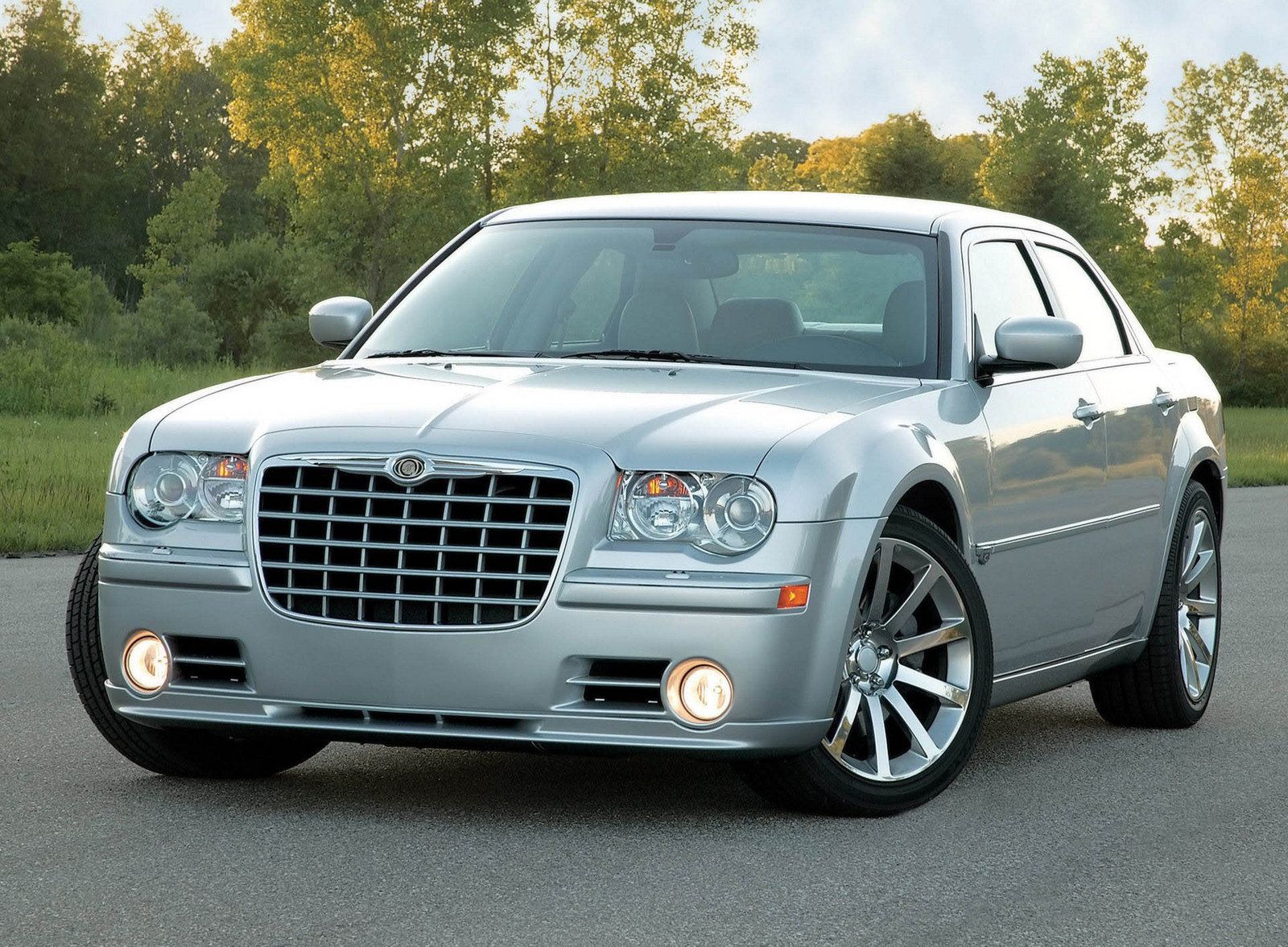


But you really should not be able to get a Chrysler loaded with every possible luxury extra and add-on for a third of the price and have something even remotely close to a Rolls Royce. On the one hand, the price of a Rolls should buy you not only impeccable workmanship, but also distinctiveness of style. On the other hand, looking too much like a Chrysler makes its exorbitant price-tag seem even more outrageous.
Don't misunderstand me; this is a gorgeous automobile. I actually think it's a bit of a leap forward for Rolls. If you want to buy me one as a present, I encourage you to please go right ahead.
©2010, Ryan Witte
Subscribe to:
Posts (Atom)